Setting up your home studio can feel overwhelming, but focusing on the right instruments simplifies the process. You’ll need a solid Digital Audio Workstation (DAW) to get started, along with a MIDI controller to bring your ideas to life. Don’t overlook the importance of quality studio monitors for accurate sound. Curious about what else makes the cut? Let’s explore the top essential instruments that will elevate your music production experience.
Digital Audio Workstation (DAW)
A Digital Audio Workstation (DAW) is the heart of your home studio, where all your music creation and editing come to life.
It’s the software that allows you to record, edit, and mix your tracks seamlessly. Choosing the right DAW is crucial, as each one offers unique features and workflows.
Popular options like Ableton Live, FL Studio, and Logic Pro cater to different styles and preferences. You’ll want to consider your specific needs, whether you’re focusing on electronic music, live recording, or sound design.
Once you’ve selected a DAW, dive into its interface and explore its tools. Mastering your DAW will empower you to unleash your creativity and bring your musical ideas to fruition.
Enjoy the process!
MIDI Controller
After setting up your DAW, the next piece of the puzzle is a MIDI controller. This essential tool lets you interact with your software in a hands-on way, allowing for more expressive music creation.
Whether you choose a compact keyboard or a pad controller, having a MIDI controller opens up a world of possibilities. You can easily trigger sounds, record melodies, and manipulate virtual instruments with ease.
Look for features like velocity-sensitive keys and assignable knobs, as these enhance your creative workflow. Plus, many MIDI controllers come with bundled software, giving you even more tools to explore.
Investing in a quality MIDI controller will elevate your home studio experience and inspire your musical journey.
Audio Interface
An audio interface acts as the crucial bridge between your instruments and your computer, ensuring high-quality sound capture and playback. It converts analog signals from your microphones and instruments into digital data your computer can understand.
This device not only enhances sound quality but also reduces latency, allowing you to monitor your recordings in real time without frustrating delays.
When choosing an audio interface, consider the number of inputs and outputs you’ll need for your setup. Look for features like phantom power for condenser mics and MIDI connectivity for your controllers.
With the right audio interface, you’ll elevate your home studio’s capabilities, enabling you to create professional-sounding recordings that truly reflect your artistic vision.
Studio Monitors
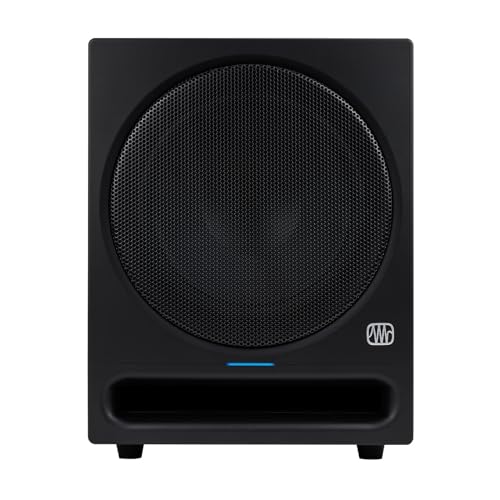
Once you’ve captured your sound with an audio interface, the next step is to monitor it accurately. Studio monitors are essential for this task, as they provide a flat frequency response, letting you hear your music as it truly is.
Unlike standard speakers, they minimize coloration, ensuring your mixes translate well across different systems. Choose monitors that fit your space and personal preferences; near-field monitors are great for smaller rooms.
Don’t forget to invest in monitor stands or pads to reduce vibrations and improve sound clarity. Additionally, consider acoustic treatment for your room to enhance the listening experience.
With the right studio monitors, you’ll gain the confidence to make informed mixing decisions, leading to professional-sounding tracks.
Microphone
A microphone is a crucial tool in any home studio, capturing the essence of your sound with precision. Choosing the right mic can elevate your recordings, whether you’re tracking vocals, instruments, or podcasts.
Dynamic microphones are fantastic for loud sources and live settings, while condenser mics excel in capturing detail and nuance in quieter environments. Don’t forget to consider the polar pattern; cardioid mics focus on sound from the front, minimizing background noise.
Investing in a pop filter can also enhance your vocal recordings by reducing plosive sounds. Remember to test different mics to find the one that best complements your style and sound.
With the right microphone, you’ll ensure your recordings truly shine in your home studio.
Headphones
While you might think any pair of headphones will do, investing in quality studio headphones is essential for an accurate listening experience in your home studio. Unlike regular headphones, studio models provide a flat frequency response, allowing you to hear your mixes as they truly are. This precision is critical for making informed decisions about your sound.
Look for closed-back designs to isolate your audio, minimizing external noise and preventing sound bleed during recording sessions. Comfort is also key; you’ll often be wearing them for extended periods, so choose a pair with adequate padding and adjustability.
Finally, consider durability—your studio headphones should withstand regular use without compromising sound quality. Quality headphones are a vital tool for any serious producer.
Acoustic Treatment
After ensuring you have quality headphones, the next step in achieving professional sound in your home studio is acoustic treatment. This involves optimizing your space to minimize unwanted reflections and reverberations.
Start by assessing your room’s layout; identify the areas where sound waves bounce off walls, ceilings, and floors. Use acoustic panels, bass traps, and diffusers to absorb or scatter sound effectively.
Place these treatments strategically at first reflection points and in corners where bass builds up. Don’t overlook the importance of carpets or rugs for additional sound absorption.
Ultimately, good acoustic treatment enhances clarity in your recordings and mixes, allowing you to hear every detail accurately. Investing time in this process will pay off in your overall sound quality.
Instruments
To create the perfect sound in your home studio, choosing the right instruments is crucial. Start by selecting a dependable digital audio workstation (DAW) that suits your style.
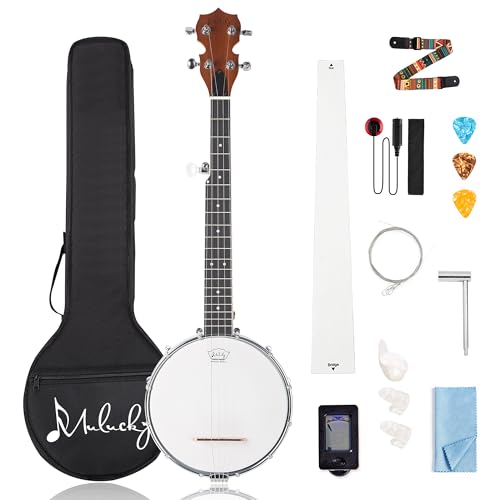
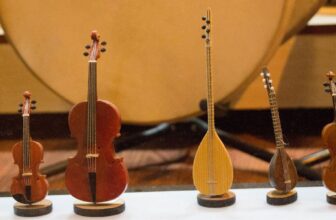
If you’re into electronic music, consider a versatile MIDI keyboard for easy composition. Acoustic guitars or electric guitars can add depth to your tracks, while a quality microphone is essential for capturing vocals and live instruments.
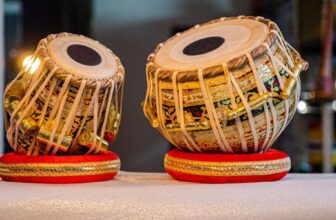
Don’t forget about percussion instruments; a simple drum pad or a cajón can enhance your rhythm. A synthesizer can also expand your sound palette with unique tones.
Ultimately, choose instruments that inspire you, enabling creativity and expression in your music-making process. Remember, the right combination can elevate your studio’s potential significantly.
Cables and Stands
Every home studio needs quality cables and sturdy stands to ensure your setup runs smoothly. Invest in balanced XLR cables for microphones and TRS cables for instruments to minimize noise and interference. Having enough lengths will help you avoid messy tangles and provide flexibility in your layout.
Don’t overlook the importance of stands, either. A reliable microphone stand keeps your mic in the perfect position, reducing strain during long recording sessions.
For instruments, adjustable stands can accommodate various sizes, ensuring they’re stable and secure.
Using high-quality cables and stands not only enhances your sound but also contributes to a more organized and professional workspace. Ultimately, these essentials make your creative process much smoother and more enjoyable.
Music Production Software
While choosing the right music production software can feel overwhelming, it’s essential for crafting your sound and bringing your creative vision to life.
Start by identifying your needs—are you focusing on electronic music, recording live instruments, or mixing? Popular options like Ableton Live, FL Studio, and Logic Pro offer unique features tailored to different styles.
Don’t forget to consider the user interface; you want something intuitive that sparks your creativity. Many programs come with built-in effects and virtual instruments, which can save you money.
Lastly, take advantage of free trials to find the software that fits your workflow best. The right DAW will be your creative partner, making the production process smoother and more enjoyable.
Conclusion
In conclusion, setting up your home studio with these essential instruments will elevate your music production game. By investing in a DAW, MIDI controller, audio interface, studio monitors, and quality microphones, you’ll create a solid foundation for your creative process. Don’t forget the importance of acoustic treatment, the right instruments, and reliable cables and stands. With the right music production software, you’ll have everything you need to bring your musical ideas to life. Happy producing!
Trending Products