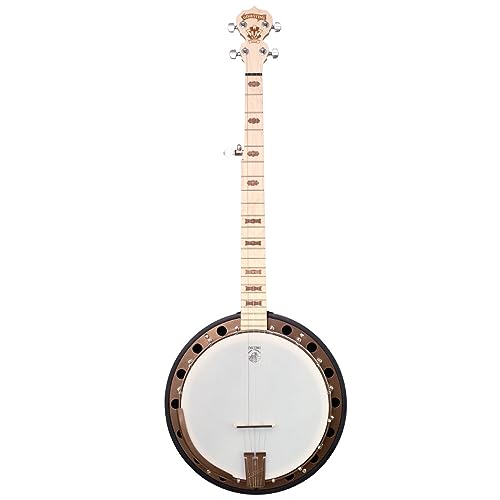
Keeping your musical instruments in top shape is essential for achieving the best sound quality. You’ll want to establish a consistent maintenance routine that includes regular cleaning, proper storage, and routine inspections. Each type of instrument has its own unique needs. Understanding these can help you avoid common pitfalls that lead to costly repairs or diminished performance. Let’s explore the key maintenance tips that will extend the life of your instruments.
Regular Cleaning Techniques for Different Instruments
When you maintain your instruments, regular cleaning is essential to ensure optimal performance and longevity.
For string instruments, use a soft, dry cloth to wipe down the body and strings after each use. This prevents buildup of rosin and dirt.
Brass instruments require a more thorough approach; disassemble them and use warm, soapy water to clean the parts, followed by rinsing and drying.
Woodwind players should swab out their instruments daily to remove moisture and prevent mold growth.
Lastly, percussion instruments benefit from dusting and occasionally polishing with a suitable cleaner.
Always check your manufacturer’s guidelines for specific cleaning recommendations.
Consistent cleaning not only enhances sound quality but also prolongs the life of your treasured instruments.
Proper Storage Solutions to Protect Your Instruments
After ensuring your instruments are clean, proper storage is key to protecting them from damage and wear.
Always use a sturdy case designed specifically for your instrument, as it provides cushioning and prevents dust accumulation. If your instrument has a stand, make sure it’s stable and placed away from high-traffic areas to avoid accidental bumps.
For string instruments, consider using a humidifier in the case to maintain optimal moisture levels and prevent warping. For wind instruments, store them in a temperature-controlled environment to avoid extreme fluctuations.
Lastly, keep your instruments away from direct sunlight, which can cause fading and damage.
Routine Inspections and Maintenance Checks
While proper storage is essential, routine inspections and maintenance checks are equally important to keep your instruments in top shape.
Regularly examine your instruments for any signs of wear, damage, or dirt. Check for loose parts, cracks, or corrosion, and address these issues promptly to prevent further damage.
Make it a habit to clean your instruments after each use, removing dust and grime that can accumulate over time.
Don’t forget to inspect strings, pads, and valves, as these components often need extra attention. Keeping a maintenance log can help you track your inspections and any repairs made.
Professional Servicing: When and Why to Seek Help
Regular inspections and maintenance checks can help you catch minor issues before they escalate, but sometimes, your instruments need more than just routine care.
If you notice persistent problems like tuning difficulties, unusual sounds, or physical damage, it’s time to seek professional servicing. Experienced technicians have the knowledge and tools to diagnose issues that might be invisible to the untrained eye.
Regular servicing can also enhance your instrument’s longevity and performance. Make it a priority to schedule a professional check-up at least once a year or whenever you notice something off.
Trusting experts not only saves you time but also ensures your instrument continues to produce the sound you love, keeping it in top shape for years to come.
Conclusion
By following these maintenance tips, you can keep your instruments in top shape for years to come. Regular cleaning, proper storage, and routine inspections are essential practices you shouldn’t overlook. Don’t forget to seek professional servicing when needed—it’s crucial for addressing any lingering issues that might affect performance. With a little effort, you’ll ensure your instruments stay in excellent condition, allowing you to enjoy making music without any worries. Happy playing!
Trending Products