When you think about musical instruments, it's fascinating to consider how they've evolved over time. Each era, from primitive bone flutes to sophisticated electronic devices, reflects our changing relationship with music. You might wonder how cultural shifts influenced these creations and what they reveal about our desire for expression. As we explore this journey, you'll uncover surprising connections that shaped the sounds we enjoy today.
The Origins of Musical Instruments: From Primitive Sounds to Early Innovations
As you explore the origins of musical instruments, you'll discover that they began as simple tools for expressing human emotion and creativity.
Early humans crafted instruments from natural materials, like bones, wood, and animal skins. You might envision them using hollowed logs as drums or reeds for flutes. These primitive sounds served as a means of communication, celebrating rituals and marking significant events.
Over time, innovations emerged, like the development of string instruments using animal gut and the creation of wind instruments shaped from various materials. Each invention paved the way for more complex structures, reflecting the evolving culture and societal needs.
This journey through time illustrates humanity's innate desire to create music, leading to a rich tapestry of sound that continues to resonate today.
The Renaissance and the Birth of Classical Instruments
During the Renaissance, when art and culture flourished, the development of classical instruments transformed music into a sophisticated form of expression.
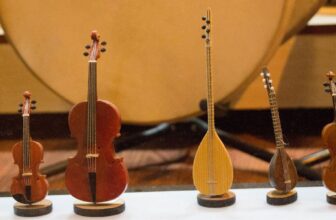
You'd notice a remarkable shift as lutes, violins, and harpsichords emerged, each crafted with extraordinary attention to detail. This period embraced harmony, allowing you to explore rich textures and intricate melodies.
Composers like Palestrina and Josquin des Prez utilized these instruments to elevate their works, making music more accessible and enjoyable for audiences.
As you listen, you'll appreciate how these innovations fostered collaboration among musicians, leading to the formation of ensembles and orchestras.
This era truly laid the groundwork for the classical music traditions that followed, shaping your understanding of musical artistry.
The Industrial Revolution: Advancements in Instrument Craftsmanship
While the Renaissance set the stage for musical innovation, the Industrial Revolution took craftsmanship to new heights, revolutionizing how instruments were made.
You'll notice that mass production techniques emerged, allowing artisans to create instruments more efficiently and consistently. Innovations like the steam engine powered machinery, enabling wood and metal to be shaped more precisely than ever before.
This era also saw the introduction of standardized parts, making repairs and replacements easier for musicians. As a result, instruments like pianos, violins, and brass instruments became more accessible to the public.
You can appreciate how these advancements not only improved sound quality but also expanded the variety of instruments available, fostering a rich musical culture that flourished throughout the 19th century.
The Digital Age: The Rise of Electronic Instruments and Technology
With the advent of the digital age, musicians found themselves at the forefront of a technological revolution that transformed the landscape of music creation.
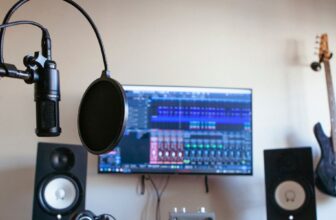
You've seen how electronic instruments like synthesizers and drum machines opened new avenues for experimentation and expression. Software like DAWs (Digital Audio Workstations) allows you to record, edit, and produce music with unprecedented ease.
MIDI technology lets you control multiple instruments seamlessly, enhancing your creativity. Plus, the rise of apps and plugins means you can access a world of sounds right at your fingertips.
As you embrace these innovations, you're not just playing notes; you're crafting entire soundscapes. The digital age has democratized music-making, empowering you to share your unique voice with the world like never before.
Conclusion
As you explore the evolution of musical instruments, you see how each era reflects humanity's creativity and desire for expression. From primitive sounds to the sophisticated technology of today, every innovation has shaped the way we experience music. The journey from early instruments to modern electronic creations highlights our ongoing quest for connection through sound. Embrace this rich history, and let it inspire your own musical journey, reminding you of the power and beauty of music across time.
Trending Products